In an urban environment, managing stormwater is very important for protecting our waterways. As there are more hard surfaces, such as buildings, footpaths and roads, less water can soak into the ground. Large quantities of stormwater therefore flow into our water canals and rivers via stormwater drains in our streets. Stormwater often carries with it many pollutants including toxic chemicals, harmful bacteria and rubbish.
Water sensitive urban design can both improve stormwater quality and reduce stormwater quantity. This helps to create cleaner waterways and rivers for local wildlife which depend on them for food, refuge and habitat. It also enhances open spaces and contributes to greener places.
Water sensitive design can:
- Prevent or reduce flooding in targeted locations
- Reduce use of potable water through installing water efficient fixtures and rainwater tanks, and enabling water reuse
- Encourage water to soak into the ground and help plants to thrive
- Protect our natural environment by treating stormwater before it gets to our rivers and harbour
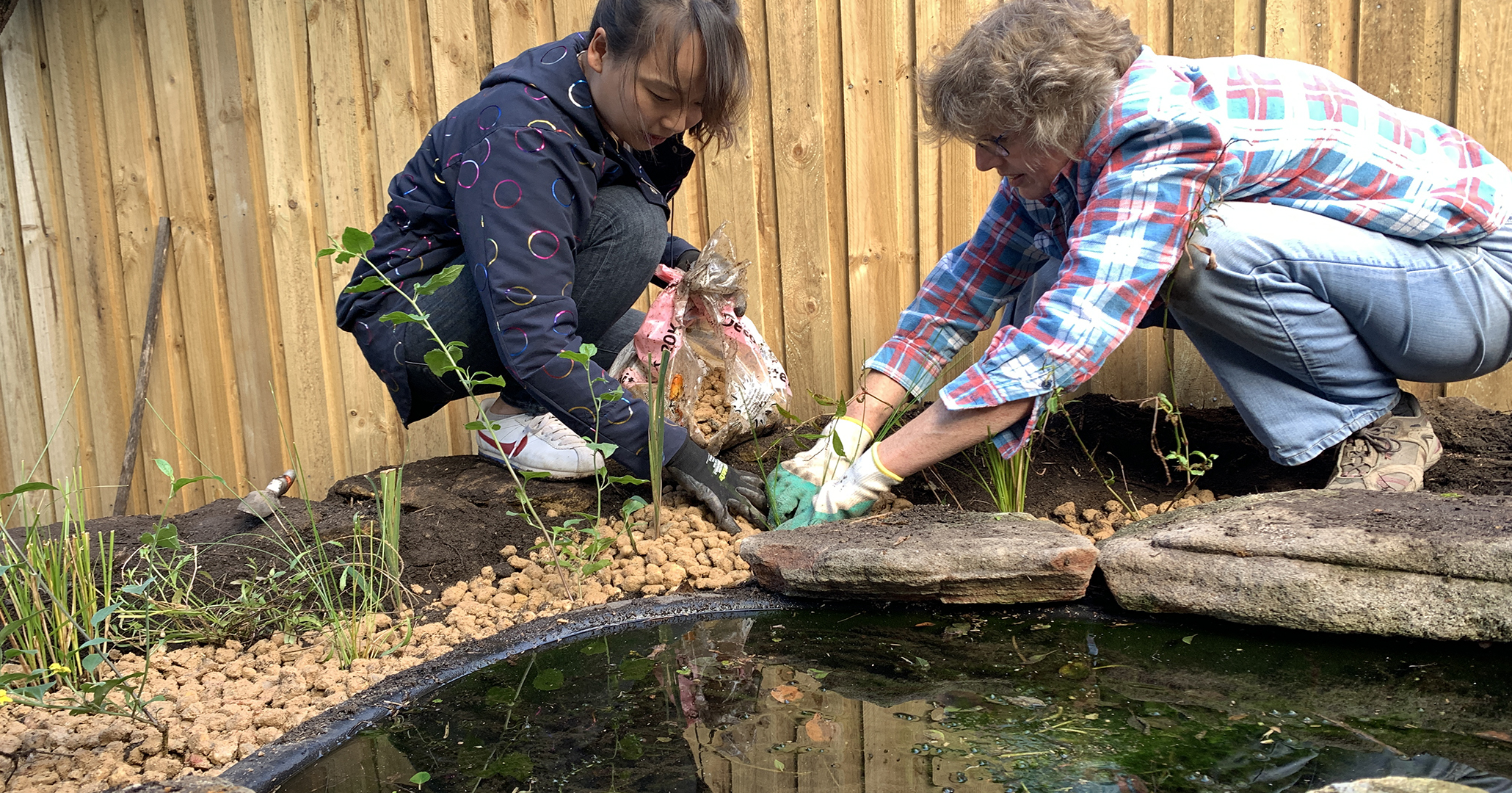
These are some of the things you can do at home:
- Capture rainwater from rooftops before it leaves your property using Rainwater tanks, bioswales and rain gardens.
- Plumb rainwater tanks into your toilet and laundry to reduce potable water use
- Slow the flow of stormwater through landscape design, such as placing garden beds along flow paths to utilise this water for passive irrigation.
- Implement landscaping and drainage elements that ensure sediments, leaves, grass clippings and nutrients no longer leave your property. Barrier plantings are one way of achieving this.
- Reduce paved areas and where paving is necessary choose permeable options.
- Convert your verge into a native garden (PDF, 449.87KB).
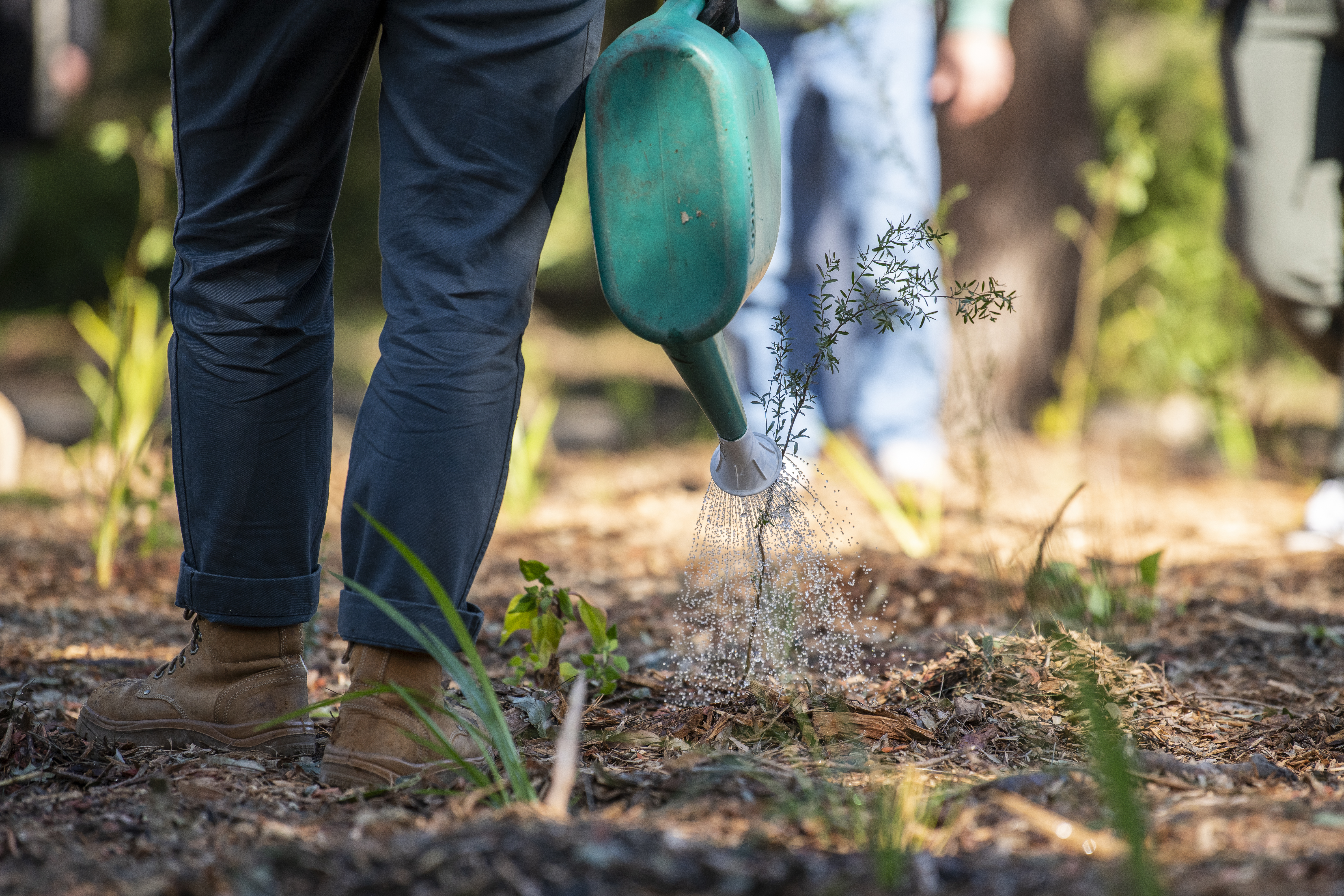
Council incorporates water sensitive urban design features in streetscapes and parks across the Inner West. Water sensitive features can include rain gardens, bioswales, constructed wetlands, stormwater harvesting schemes and, of course, rainwater tanks.
A rain garden is a specially designed garden that filters stormwater runoff from surrounding areas. Particular native plants are planted in rain gardens to remove pollutants.
A bioswale is a channel that conveys stormwater runoff, designed to slow the flow of runoff and like rain gardens, planted to remove pollutants.
Constructed wetlands are wetlands that are built to recreate natural water features. They can be designed to remove pollutants from stormwater and provide important habitat for wildlife.
Stormwater harvesting is a way of reducing our reliance on potable or tap water. Water runoff is collected, treated and stored. This water is then used for irrigation of sportsgrounds, parks and toilet flushing.
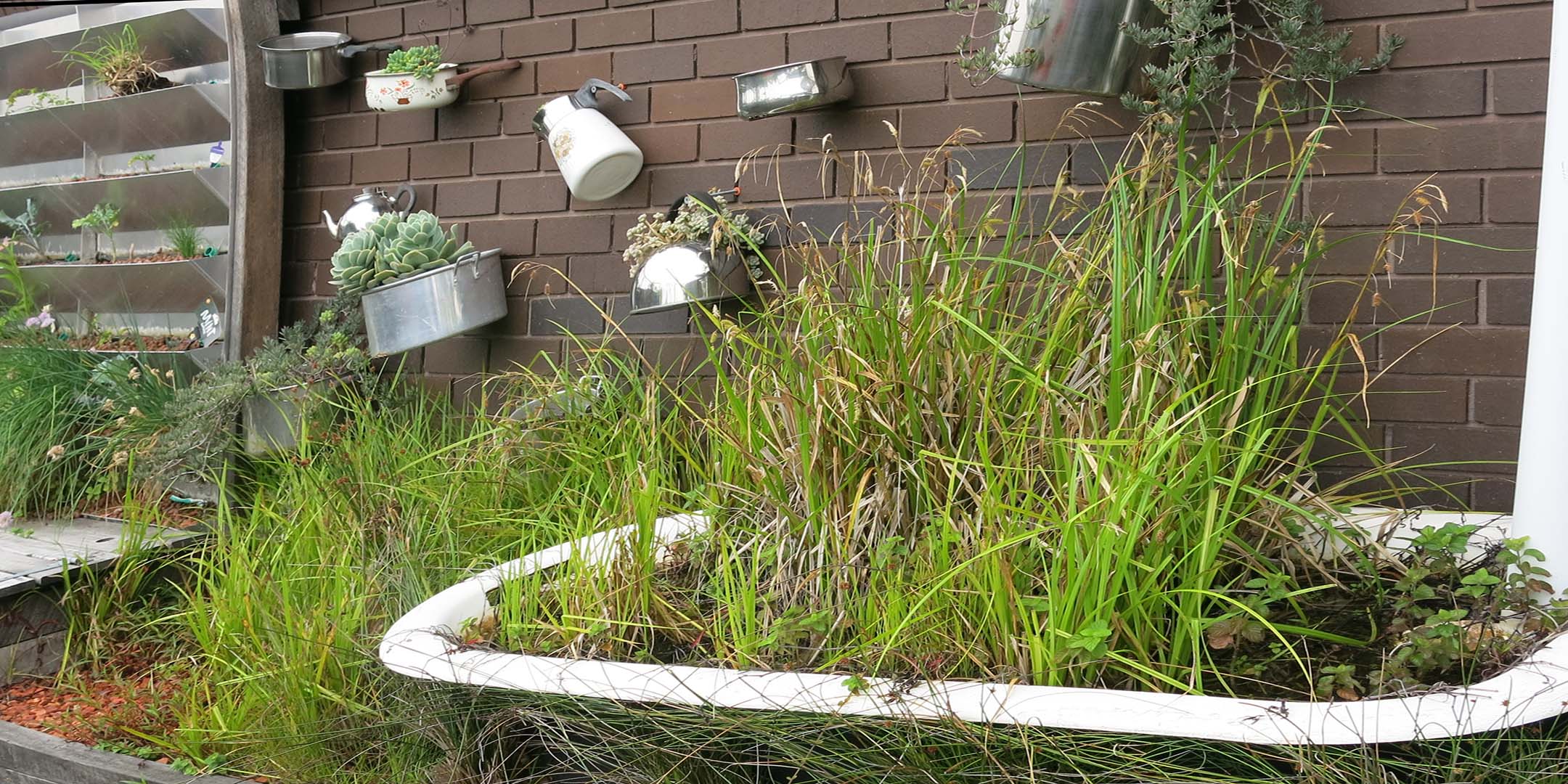
Rain Garden Design Manual
Council has published a design manual to integrate rain gardens and WSUD facilities as the standard design approach to stormwater management and treatment.
The primary target audience for this manual is design staff and consultants directly involved in the detailed design process for rain gardens, such as stormwater and drainage engineers, civil engineers and landscape architects. It may also be useful for a broader audience looking for guidance or details about how rain gardens may impact on their work.
Other further information
- Website: Resources to Build Your Own Raingarden—Cooks River Alliance
- Water By Design—Bioretention Technical Design Guidelines V1.1, October 2014 PD (PDF, 8.63MB)
- WSUD Sydney's Sustainable Water Management 2003 fact sheet series (PDF, 1.96MB)
- CSIRO Water Sensitive Urban Design —Detailed information on WSUD including great diagrams
- Website: Your Home—Federal Government initiative providing advice, manuals and guides for environmentally sustainable homes