Wetlands play an important role in our urban environment, strengthening the ongoing health and resilience of our landscape. They perform ecological functions such as filtering out sediments, nutrients and other pollutants from stormwater before it reaches our rivers, improving the health of our waterways. Wetlands also support local biodiversity by providing vital habitat. In highly urbanised areas such as the Inner West, native wildlife including turtles, frogs, insects, fish, birds and other aquatic organisms depend on these ecosystems to survive and thrive.
Wetlands hold cultural significance to the Gadigal and Wangal People. Waterways and wetlands provided natural resources, were integral to Aboriginal cosmology, and served as boundary markers. Waterholes that were once in the Inner West area were ceremonial and initiation sites, reflecting the kinship between land and water.
Inner West's Wetlands
Throughout the Inner West there are 9 major wetlands managed by Council. These are spread across the Parramatta River and Cooks River catchments, feeding into both Sydney Harbour and Botany Bay.
Blackmore Oval wetland is located along Canal Road in Leichhardt.
This wetland was constructed as part of the neighbouring WestConnex construction, serving as a filter for stormwater runoff from the City WestLink before it reaches Iron Cove and Parramatta River. It also supplies recycled water for the irrigation of Blackmore Oval.
Dibble Waterhole is located on Dibble Avenue in Marrickville. While not open to the public, the waterhole can be viewed from AB Crofts Playground.
Prior to colonisation, Dibble Waterhole was a small natural spring and holds cultural significance for local Aboriginal people as a special women’s site and place of healing. Now it is the last remaining open brick pit within the Inner West. Water has since accumulated in the brick pit, creating a wildlife refuge.
In 2021, bank stabilisation and restoration works were undertaken to recreate the endangered Swamp Oak Floodplain Forest that historically lined the Cooks River.
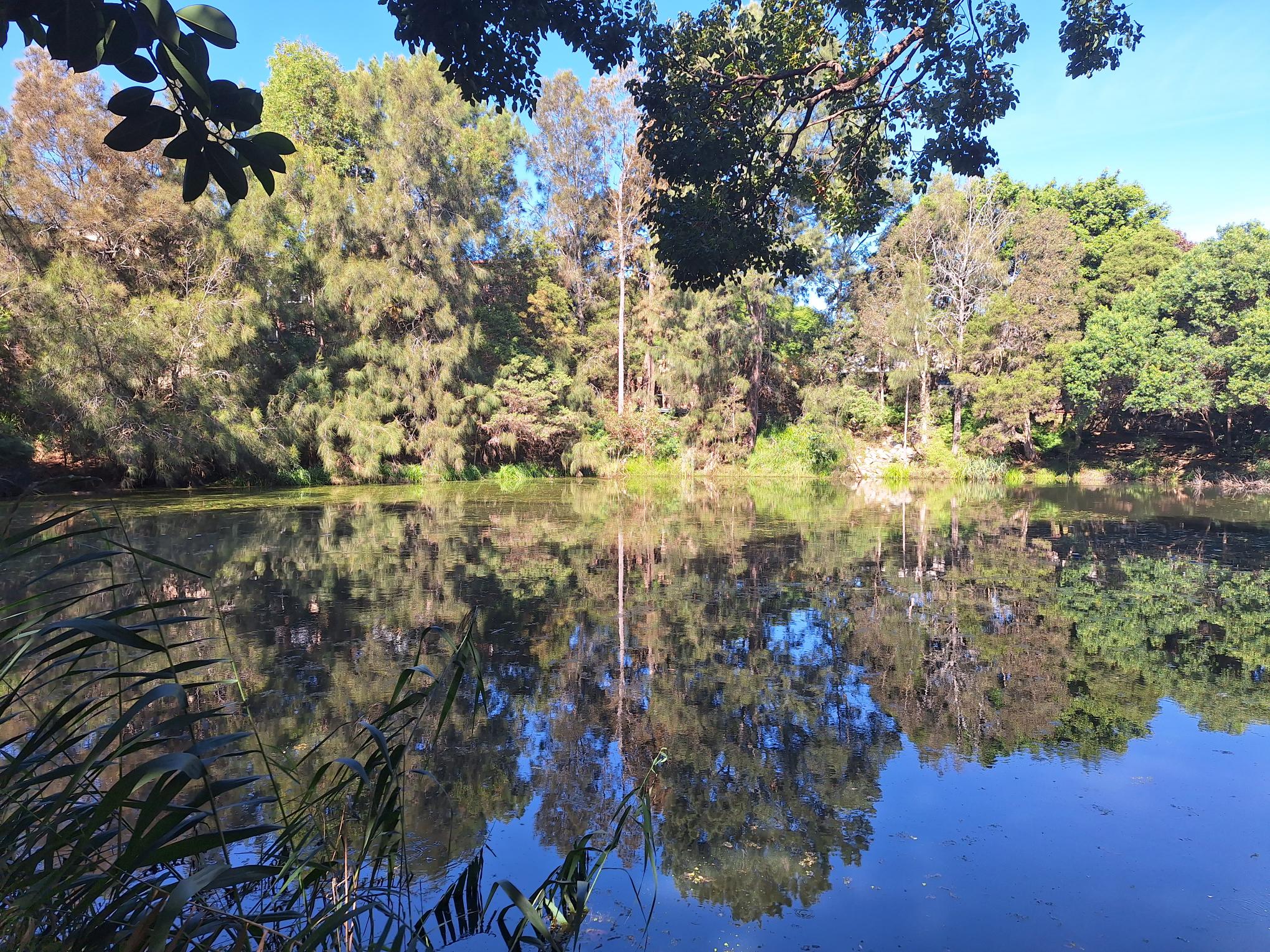
The Gumbramorra Swamp Re-creation wetlands and nature play zone are currently under development alongside Mackey Park's playing fields in Marrickville.
Prior to colonisation, Marrickville and Sydenham were part of an extensive swamp system. Since colonisation, the swamp was drained and the area was eventually urbanised. The Gumbramorra Swamp project will reclaim part of the wetland system that was lost and serve to mitigate flooding, provide essential habitat, honour cultural significance for local Aboriginal Peoples, and provide the community a place to explore, learn and connect with nature.
For more information and updates visit Gumbramorra Swamp Re-creation - Inner West Council

Peter Bulger Wetlands is located on the corner of May Street and Bedwin Street in St Peters. It is named for Peter Bulger, a passionate environmentalist who championed many local activities such as tree planting and clean up events. He sadly passed on September 6, 2013, and is remembered by the many lives he touched. “Never give in, never surrender” was his catch cry.
Peter Bulger Wetlands was once part of a large network of freshwater waterholes scattered across the Marrickville Valley. In the 1870s the site became a brick pit that was eventually recreated into a wetland which officially opened in 2025. Peter Bulger Wetlands now is a functioning wetland that improves stormwater quality, mitigates flooding, provides habitat for native fauna, and offers the community a space to explore and relax in nature.
Richard Murden Reserve Saltmarsh is located along the Hawthorne Canal across from The Greenway in Haberfield. In 2020, the saltmarsh rehabilitation program was undertaken to recreate the endangered Coastal Saltmarsh community. The Richard Murden Reserve Saltmarsh is home to a remnant patch of Sarcocornia spp and has now been revegetated with more salt tolerant species to create a functioning ecosystem that periodically gets inundated and improves storm- and floodwater quality before entering the Hawthorne Canal.

The Steel Park Saltmarsh is located along the riverfront in the Eastern end of Steel Park in Marrickville. In 2010 the saltmarsh was reconstructed with the aim to restore part of Marrickville’s lost wetland ecosystem. The saltmarsh serves as habitat for fish, crustaceans and migratory shorebirds. It also enhances water quality by filtering nutrients and sediments, reduces erosion, and protects the foreshore from flooding and storm events.

Tempe Saltmarsh is located on the south-western end of Tempe Recreation Reserve, along the Cooks River in Tempe.
Prior to colonisation, this area was part of a swamp system and now is a reclaimed airport spoil site. The saltmarsh interfaces with the Cooks River and the terrestrial landscape. It is designed to experience tidal inundation, filter stormwater before entering the Cooks River, and reduce flooding to the nearby sporting amenities. It has become a key habitat for crustaceans, insects, microbats, and migratory shorebirds.

Tempe Wetlands is located off South Street in Tempe.
In the 1920s this site was a shale quarry, in the 1940s it was a greyhound racing track, then until the mid-1970s it was a rubbish tip. In 2004, extensive work began to reclaim and remediate the site. The wetlands provide essential ecological and environmental functions such as stormwater filtration and flood mitigation. It has become a haven for native wildlife, particularly birds and frogs, and is a popular bird watching site.
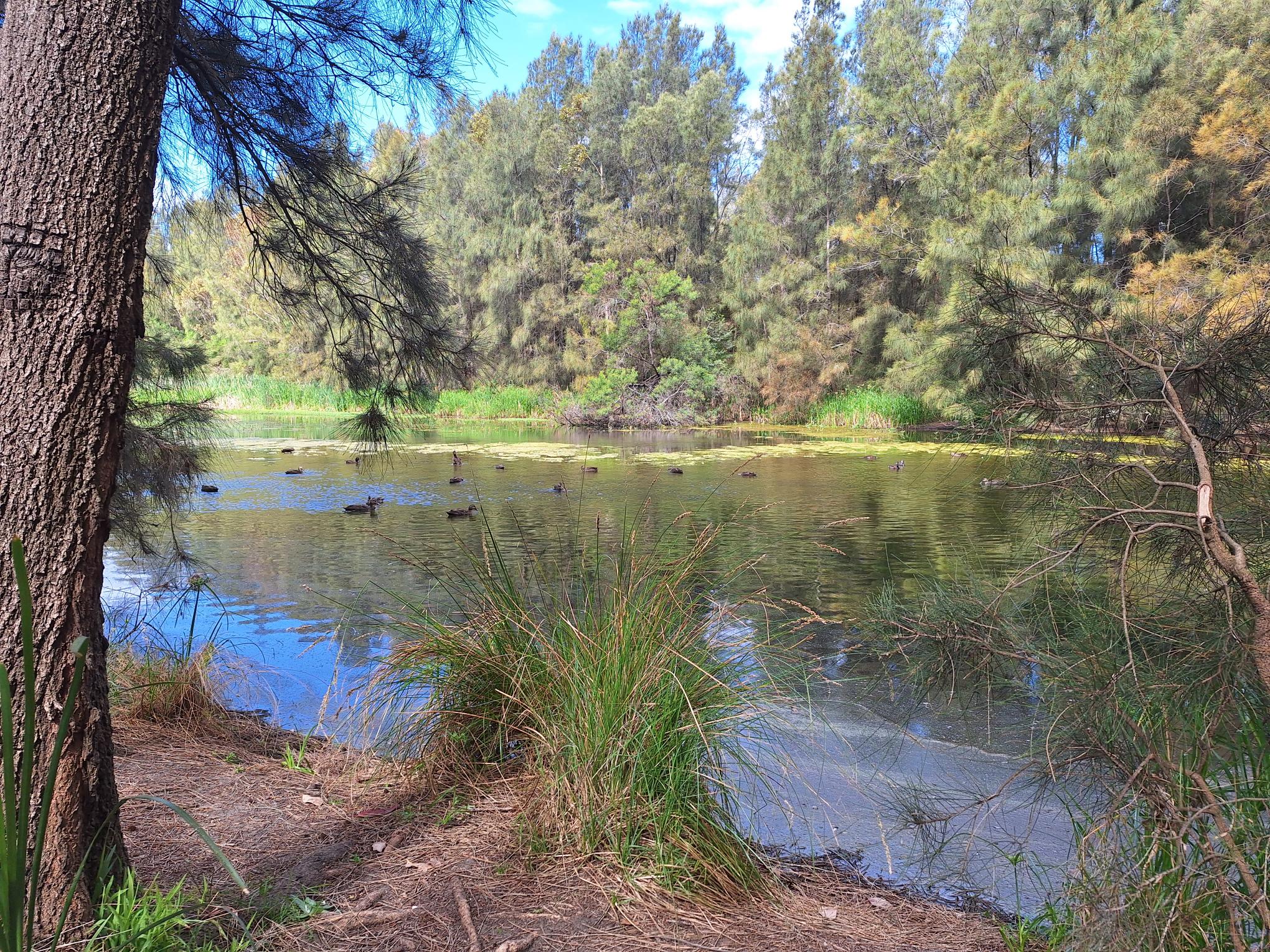
Whites Creek wetland is located on Smith Street (near Wisdom Street) in Annandale.
The wetland was completed and opened to the public in 2002. Since then, it has been a great success and ongoing Council management ensures it remains a thriving home to many native plants and animals. The wetland performs several key ecological functions, such as filtering stormwater before it reaches Rozelle Bay and Sydney Harbour, and provides the community a great spot to connect with nature.
